
De service is uitstekend. Ik heb een document aangevraagd en kreeg direct antwoord.
Sometimes they do. Think cleaning, lifting or lugging when moving. But the work is also varied and often combines well with a healthy lifestyle.
As Facilities Officer you are the silent force that keeps everything running smoothly. From cleaning and maintenance to catering and inventory management - you ensure that colleagues, visitors or guests always feel welcome and can do their work flawlessly.
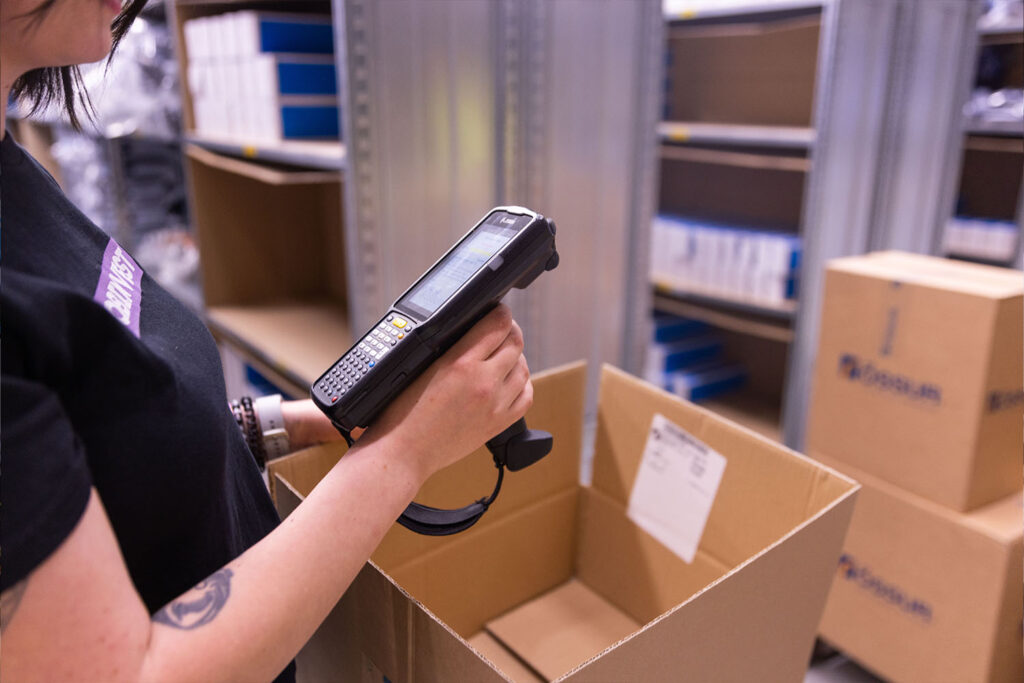
A Facilities Assistant has a wide range of duties. You are the all-rounder who makes a difference in the background. Your duties may include:
Depending on the company, the emphasis is more on cleaning, maintenance, hospitality or catering.
These are the qualities that make you excel in this role:
No two days are the same. You might start by cleaning and preparing meeting rooms, then you'll receive guests at the front desk or help with an internal move. In between, you'll check stock and order what's needed. Around lunchtime you'll jump in with catering. At the end of the day you make sure everything is neat and tidy so that the next workday can start smoothly again.
Most Facilities Officers have completed an MBO education, e.g. Facility employee level 2. But often you can enter without a diploma and learn the trade in practice. Many employers also offer courses or training in areas such as safety or hospitality.

As a Facilities Assistant, you will earn at least the legal hourly wage of €14.40 gross per hour (21+, as of July 2025). On average, the salary is between €2,300 and €2,500 gross per month, depending on experience, duties and sector.

An MBO course in Facility Management (Level 2) is a good foundation, but not always mandatory. Practical experience and motivation are often just as important.

Usually you work full-time (36-40 hours per week). Some organizations have part-time positions available, such as cleaning or catering.

You often work during daytime hours, but in industries such as healthcare, hospitality or large corporations, evening and weekend shifts may also occur.
1 week ago
De service is uitstekend. Ik heb een document aangevraagd en kreeg direct antwoord.
1 week ago
Ik kende Job Invest al een paar jaar, maar had nog nooit met hen samen gewerkt. Ik ben zeer tevreden over de hele ervaring, vooral met mevrouw Carmen 🤞
1 week ago
Zeer tevreden, erg professionele en vriendelijke mensen. Een aanrader ✅🙂 …
2 weeks ago
De recruiter, Kelly, was zeer professioneel en behulpzaam. Ik dank haar voor haar uitstekende werk.
4 weeks ago
Ik werk sinds kort met hen samen en tot nu toe is alles geweldig. De accommodatie is uitstekend en het personeel is zelfs nog beter.
4 weeks ago
Het beste bureau! Ze vonden geweldig werk voor me en ze deden het supersnel. Als er een probleem was, werd het dezelfde dag nog opgelost. We hadden altijd goed contact. Ik kan ze zonder aarzeling aanbevelen👌
Are you a real fixer who likes to make sure everything is tiptop? Then this is the job where you make a difference every day.
Yes, je sollicitatie is binnen! We nemen snel contact met je op, per telefoon of mail.
We plannen een kennismaking via Teams of bij ons op kantoor en leren elkaar beter kennen.
We zoeken uit welke baan echt bij jou past en bespreken de mogelijkheden samen.
Once excited, you go for an interview with the employer to see if it's a complete fit.
Both enthusiastic? Then we will sign the contract and you will start at your new job!
Ook zodra je bent gestart bij je nieuwe baan, blijven we betrokken. Heb je vragen of loop je ergens tegenaan? Je kunt altijd bij ons terecht.
Not always. A mbo diploma (level 2) is useful, but often you can start without one. You learn a lot in practice and through internal training.
Sometimes they do. Think cleaning, lifting or lugging when moving. But the work is also varied and often combines well with a healthy lifestyle.
Everywhere! Think offices, schools, hospitals, hotels, manufacturing companies or government agencies. Every organization needs facility toppers.
Yes. You can advance to coordinator, team leader or facilities manager. There are often many opportunities within larger organizations to make strides.
The variety and contact with people. You are the lynchpin that makes sure colleagues can do their jobs well and visitors feel welcome.