



What is a Packing Assistant?

In brief

As Packing employee You are the last link in the production process. You ensure that products are neatly packed, labeled and prepared for shipment. Without you, nothing gets to the customer!

What does a Packing Assistant do?

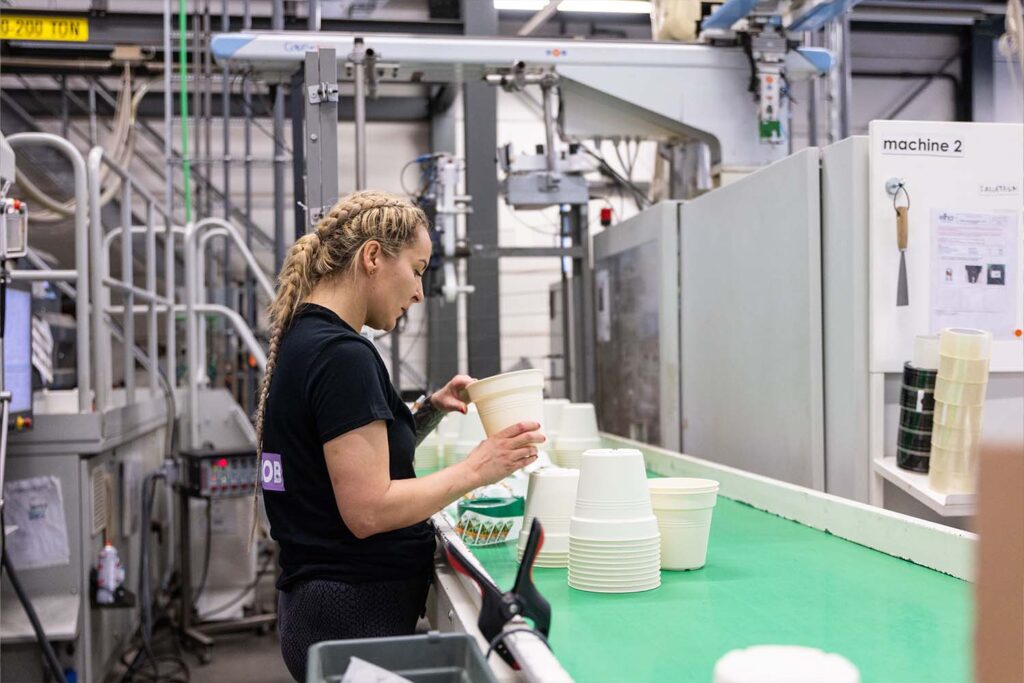
A Packing Assistant ensures that products find their way to the customer safely and with care. Your work is varied and depends on the industry, but think of:

  • Packing and stickering of boxes and packages
  • Setting up simple packing machines
  • Add protective material (such as Styrofoam or foil)
  • Controlling numbers and quality
  • Preparing products for shipping and stacking them on pallets
  • Replenishing packing materials and keeping workplace clean


In short: you are the finishing touch of the entire production process.

What competencies should you have?

These are the qualities that make you excel in this role:

Accurate and attention to detail
Structured work
Flexible and stress resistant
Good at routine work
Physically fit and energetic
Be able to be efficient and pace

What does a workday look like?

Your day usually starts with a short work transfer. Then you get straight to work packing: folding boxes, checking products and preparing them for shipping. You keep up the pace, but stay sharp on quality. Occasionally you replenish packing materials or reset the packing machine. At the end of your shift, you make sure your workplace is clean and tidy. That way everything is ready for the next shift.

How do you become a Packing Assistant?

For the role of Packing Assistant, you don't need a lengthy education, but you do need a intermediate vocational school level. Often you just learn the tasks on the job. Handy to have in your backpack:

  • Basic experience in production or warehouse work
  • VCA or safety training (sometimes required)
  • Training/courses in logistics or manufacturing are a plus

Salary

The salary for a Packing Assistant starts at the legal minimum of €14.40 gross per hour. That works out to about €2,300 gross per month for full-time work. Many employers pay extra allowances if you work shifts or work evenings/nights.

Diploma

A specific degree is usually not required. However, an MBO degree in logistics or manufacturing does help.

Number of hours

Most Packing employees work full-time (36-40 hours). Part-time opportunities are sometimes available, depending on the employer.

Working Hours

You often work in shifts (morning, afternoon, evening or night). Day shift packing jobs are also common. Employers usually pay extra allowances for irregular hours.

Reviews we are proud of

Your next step?

Packing employee

Are you meticulous, fast and do you like to get down to business? Then this is your chance to play a crucial role in the production process.

Frequently Asked Questions

Do I need to have experience to become a Packing Assistant?

No, not usually. Many companies simply teach you the work on the shop floor. However, it helps if you already have experience in production or logistics, because then you pick up the work faster. So with a little motivation and perseverance, you can often get started right away.

The work can be physical because you do a lot of standing, walking and sometimes lifting boxes. But you usually work with tools such as pallet trucks or conveyor belts. It is especially important that you can keep a good pace without sacrificing accuracy.

Not always. There are many day shift packing jobs, especially at smaller companies. Larger production companies often work 2- or 3-shifts, so the machines can run continuously. With shifts, you get extra benefits, so that makes it more attractive financially, too.

Sure! You can advance to positions such as logistics assistant, order picker or operator. Some employers also offer in-house training or courses that allow you to specialize further. This way you can advance to a better paid and more responsible position.

Especially accuracy, pace and physical fitness. In addition, it helps if you are stress-resistant and can work well together. If you are handy with machines or willing to take additional courses, you often have even more opportunities for further growth.